Guides
Cleanouts for renters and landlords
Cleanouts can get stressful fast when a lease is ending, a tenant moved out suddenly, or a unit needs to be turned over. Clearway Match is a free matching service that helps renters and landlords compare written estimates from licensed, insured cleanup and junk removal crews, then choose the fit that works best for them.
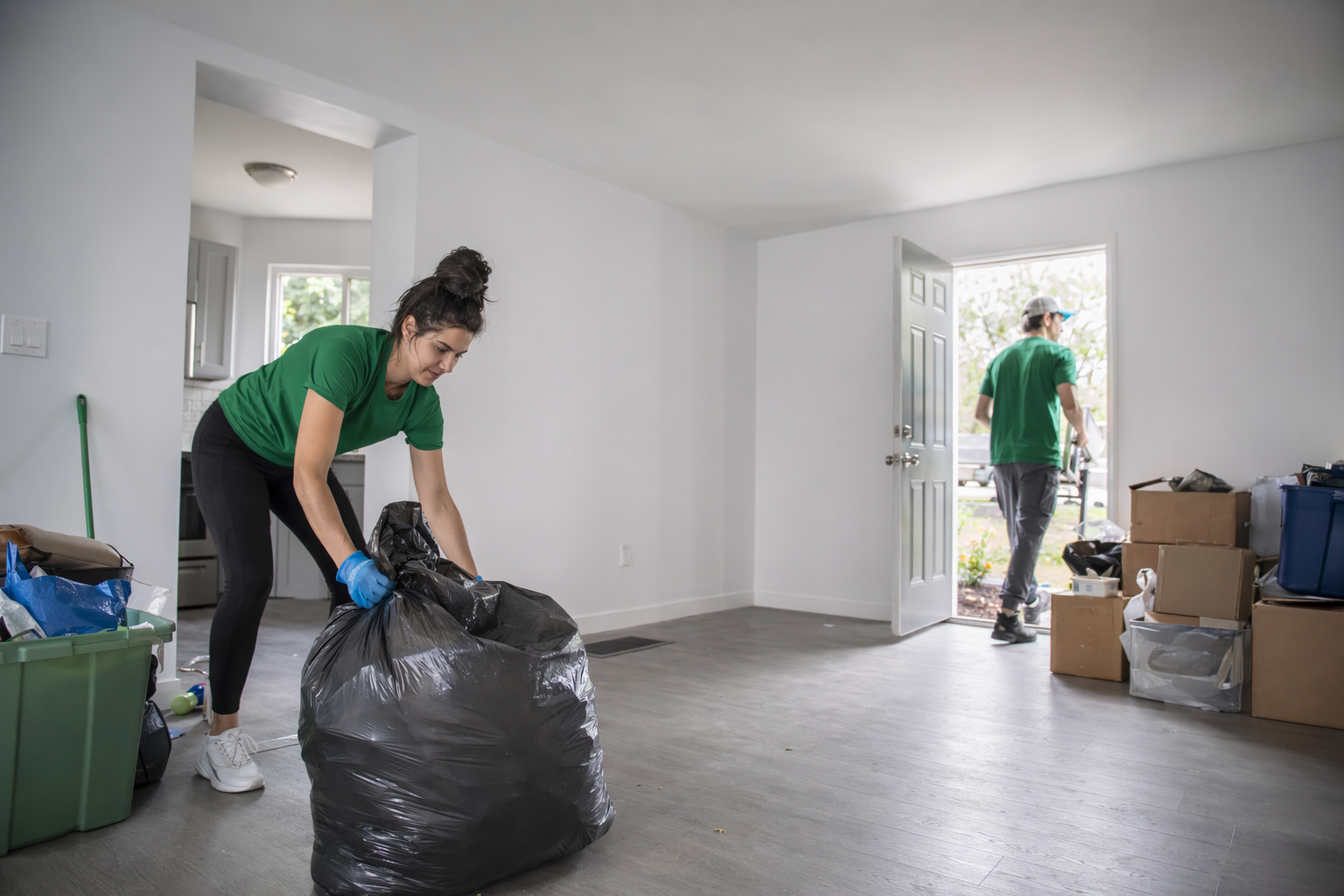
Overview: cleanouts for renters and landlords
Renters and landlords often need cleanout help for different reasons, but the goal is usually the same, leave the space empty, safe, and ready for the next step.
For renters, that may mean clearing out unwanted furniture, bagged trash, or boxes before move-out so the place is closer to lease-ready condition. For landlords and property managers, it may mean removing items left behind after a tenant leaves, handling a turnover cleanout between occupants, or clearing a unit after a difficult situation.
A crew can often help remove:
- Old couches, mattresses, dressers, and tables
- Bagged trash and loose household clutter
- Garage, attic, basement, or storage-area items
- Left-behind belongings after a move-out
- Heavy clutter that needs a careful, discreet approach
Typical price ranges depend on volume, access, labor, and disposal needs. A single item may run about $70-$150. A small pickup load may be around $150-$350. A full truckload is often about $450-$800. Large apartment, turnover, or whole-home cleanouts may run about $800-$4,000+.
These are typical ranges, not quotes. Always confirm the exact scope, hauling details, and total price in writing before work starts. If you want to compare options, you can get matched and review estimates from local crews.
- Clearway Match does not haul or clean, we connect you with independent crews.
- Ask each crew to spell out what is included, labor, hauling, cleanup level, and disposal fees.

Key points: who is usually responsible for what
Responsibility depends on the lease, local rules, and the condition of the unit.
In many cases, renters are responsible for removing their own belongings and trash before they return the unit. Landlords are often responsible for preparing the unit for the next occupant after lawful possession is back in their hands. But every situation is different, especially if there are abandoned items, damage, missed rent, or legal notices involved.
A few practical points can help:
- Check the lease first. It may say what must be removed, what counts as damage, and what can affect the security deposit.
- Follow local and state rules. Some places have specific steps for handling belongings left behind.
- Document the condition of the unit. Photos, a move-out checklist, and written notes can help reduce disputes.
- Separate cleaning from hauling. Some crews remove junk only, while others may offer light sweep-up or deeper cleanout support.
- Keep communication in writing when possible.
If the situation involves an eviction, a sudden move-out, or heavy clutter, a respectful and discreet approach matters. Heavy clutter is not a character flaw. If a loved one is involved, it can help to work at their pace where possible and focus on safety, privacy, and clear next steps.
You can also review general costs and compare that with the written estimates you receive.
- Security deposit questions are often separate from cleanout costs.
- Do not assume a crew will handle donated, recyclable, hazardous, or sensitive items unless that is listed in writing.
What to do before you book a cleanout
A little prep can save time, money, and confusion.
Before you hire anyone, make a quick plan:
- Decide what must stay, what must go, and what needs special handling.
- Take photos of each room, especially if there may be a deposit or damage dispute.
- Check for papers, keys, medications, photos, jewelry, and other personal items before the crew arrives.
- Ask the crew whether stairs, long carries, elevators, parking limits, or tight hallways affect the price.
- Confirm if they can remove bulky items like mattresses, appliances, or broken furniture.
- Ask what level of sweep-up or final cleanup is included.
- Get the full scope and price in writing before work starts.
- Verify the crew's license and insurance yourself.
For landlords, it also helps to be clear about access. Let the crew know if the unit is occupied, vacant, or still contains personal property that may need to be handled under local rules.
For renters trying to protect a deposit, the main goal is to leave as little behind as possible and avoid last-minute surprises. A deposit-safe result is never guaranteed, because deposits can also depend on lease terms, damage, unpaid rent, and cleaning standards.
If you are comparing providers, read how it works so you know what details to share and what to ask.
- Only share contact information and job details needed for the estimate.
- Do not send Social Security numbers, bank details, or other sensitive records.
How to get matched through Clearway Match
Clearway Match is free to use. We collect basic contact and job details, then match you with independent local crews that may fit your project.
When you reach out, it helps to include:
- The property type, such as apartment, rental house, duplex, or storage unit
- The location and whether there are stairs, an elevator, or limited parking
- What needs to be removed, including large items or heavy clutter
- About how much is there, such as a few items, one room, garage, or full unit
- Your timing, access details, and whether the unit is occupied or vacant
- Any photos that help explain the job
From there, you can compare written estimates, ask questions, and choose who to hire. Clearway Match does not set the final price, perform the work, or guarantee availability or outcomes.
If you are ready to start, you can get matched and compare your options.
- Ask for a written estimate that lists volume, labor, disposal, and any extra fees.
- Confirm arrival window, payment terms, and what happens if the job is larger than expected.

If you are a renter or landlord facing a cleanout, the safest path is to check the lease and local rules, document the space, and compare written estimates from licensed, insured crews before choosing who to hire.
Common questions
Can a renter hire a cleanout crew before move-out?
Yes. Many renters book a crew to remove furniture, trash, or unwanted items before they hand back the keys. It can help reduce stress and leave less behind. Be sure to confirm what the crew will remove and the total price in writing before work starts.
Will a cleanout guarantee I get my full security deposit back?
No. A cleanout may help if it removes leftover items and trash, but deposit outcomes can also depend on lease terms, cleaning standards, damage, unpaid rent, and local rules. It is best to document the unit with photos and check your lease.
What if a landlord needs to remove items left behind by a tenant?
That can happen, but the right steps depend on the lease and local law. Some places have rules about notice, storage, or disposal of abandoned property. It is wise to confirm the legal process first, then get written estimates for the actual removal work.
How much does a renter or landlord cleanout usually cost?
Typical ranges depend on how much needs to go and how hard the job is. A single item may cost about $70-$150. A small load may be around $150-$350. A full truckload often runs about $450-$800. Larger apartment or whole-home cleanouts can be about $800-$4,000+. These are typical ranges, not quotes.
Can crews help with heavy clutter or sensitive situations?
Many crews can help with heavy clutter, and some take a more discreet, careful approach. If the situation is sensitive, say that upfront and ask how they handle privacy, pace, and sorting instructions. Always verify the crew's license and insurance yourself and confirm the scope in writing.