How we've helped
How one homeowner got compassionate hoarding help, at her own pace
One homeowner knew she needed help with heavy clutter, but she was not ready for a rushed, one-day cleanout. This anonymized composite story shows how getting matched with the right crew helped her move at her own pace, with privacy and respect.
Handled with care
Heavy clutter is never a character flaw. The crews we match you with work discreetly, without judgment, and at your pace — privacy first, always.
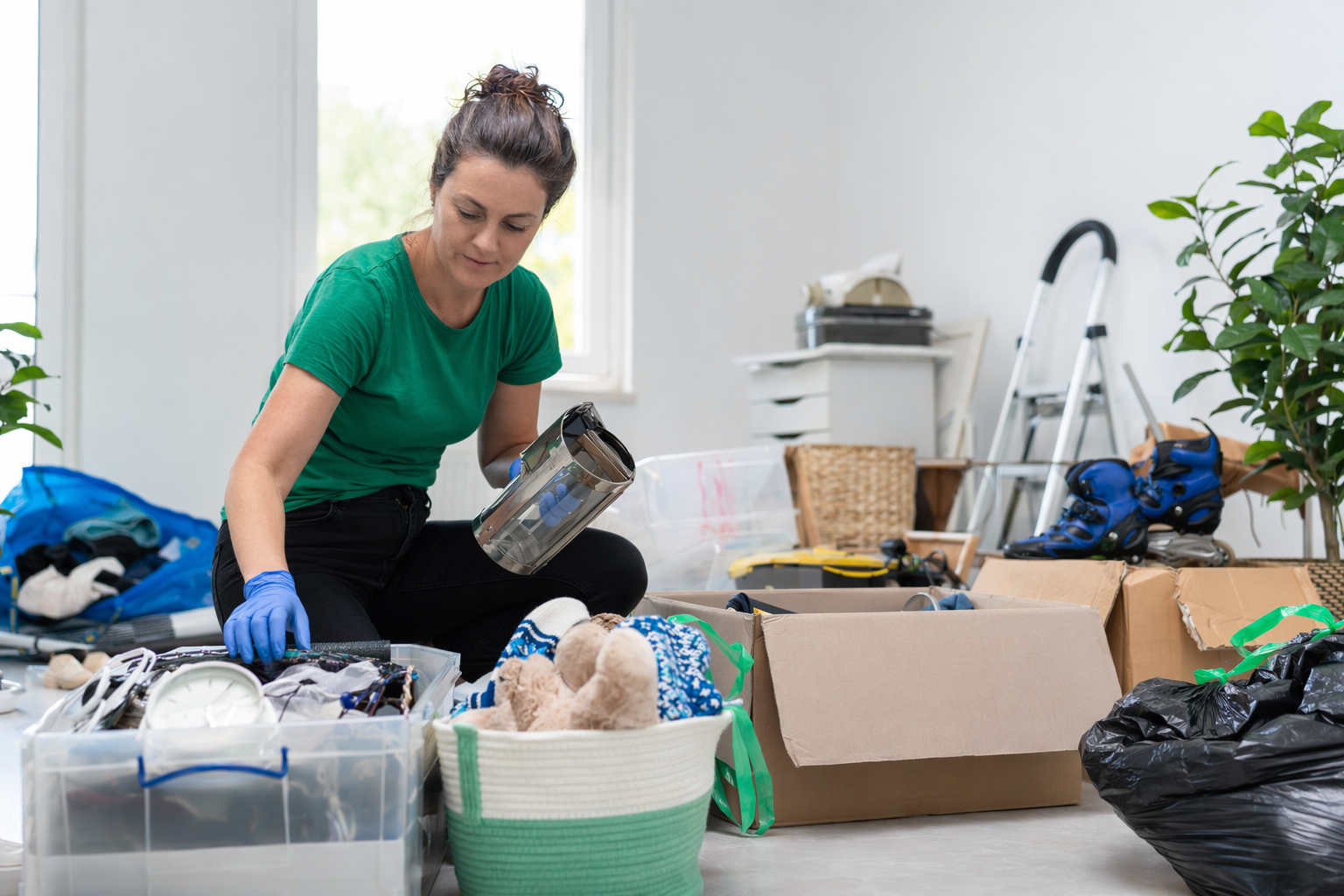
The situation
One homeowner had lived in her house for many years. Over time, several rooms became hard to use. Boxes stacked up. Hallways got narrow. Important papers were mixed in with everyday items. She felt overwhelmed and embarrassed, and that made it even harder to ask for help.
A family member wanted to support her, but did not want to push too hard. They were worried about safety, especially blocked paths and trip hazards, but they also knew this was personal. Heavy clutter is not a character flaw. It is a hard situation, and people deserve dignity while they deal with it.
The homeowner did not want strangers showing up and throwing everything away. She wanted a crew that would listen, work quietly, and let her decide what stayed, what went, and what needed more time.
- Names and details in this story are changed to protect privacy.
- This is a composite example based on common situations, not a real person's identified case.

What they did
The family started small. Instead of trying to clear the whole house at once, they picked one goal, make a safe path from the front door to the bathroom and kitchen.
Before any work started, they made a simple plan:
- Set aside keep items, donate items, trash, and papers to review.
- Choose one area for the first visit.
- Ask for a written estimate for that first phase only.
- Confirm the crew would follow the homeowner's pace.
On the first day, the homeowner stayed involved. She pointed out what mattered to her. The crew bagged trash, moved obvious recycling aside, and boxed up papers for later review. They did not pressure her to make fast decisions on sentimental items.
That slower first step made the next step easier. After the walkway was open, they scheduled a second visit for one spare room. Later, they handled larger junk removal in stages. This kind of phased approach can make a hard job feel more possible.
Typical pricing depends on volume, access, labor, and how much sorting is needed. As a general guide, a small pickup might run about $150-$350, a full truckload often falls around $450-$800, and a larger whole-home cleanout can range from about $800-$4,000+. These are typical ranges, not quotes. Always confirm scope and price in writing before work starts.
- Starting with one clear safety goal can lower stress.
- Written estimates help everyone stay on the same page.
How free matching helped
The family used Clearway Match to get connected with independent cleanup crews that handle jobs like heavy clutter, estate cleanouts, and junk removal. Clearway Match did not do the cleanup. It helped them compare options.
That mattered because not every crew is the right fit for a sensitive job. The family wanted a team that would be discreet, licensed and insured, and willing to work in phases. Through the matching process, they could explain the job, ask for written estimates, and compare how each crew planned to handle the work.
The homeowner chose a crew that communicated clearly and did not treat the home like a spectacle. They agreed on priorities, what would be touched first, and what would be left for later review. That gave the homeowner more control.
If you are helping a parent, partner, or neighbor, it can help to compare a few options before hiring. You can learn more about how it works, review typical costs, or get matched when you are ready.
Before hiring any crew, ask them to confirm their license and insurance directly, explain what is included, and put the scope, timing, and price in writing before any work starts.
- A good match is not just about price. It is also about patience, communication, and respect.
- For sensitive cleanouts, ask whether the crew can work room by room or visit by visit.
What you can do
If your home or a loved one's home feels overwhelming, you do not have to solve everything in one weekend. A respectful plan often works better than a rushed one.
Here are practical first steps:
- Pick one small priority, such as a safe walkway, a bed, or a usable bathroom.
- Decide who should be involved in decisions, the homeowner, a family member, or both.
- Write down special concerns, such as pets, medications, paperwork, family photos, or items that must not be removed.
- Ask for written estimates from more than one crew.
- Verify license and insurance yourself before work begins.
If emotions are running high, take breaks. If the situation is tied to grief, anxiety, or another personal struggle, gentle support from a trusted professional may also help. The goal is not perfection. The goal is to make the space safer and easier to live in, at a pace the person can handle.
When you are ready, you can get matched and compare independent crews without pressure.
- You only need to share contact information and job details to start.
- Do not share bank details, Social Security numbers, or other sensitive records when asking for estimates.
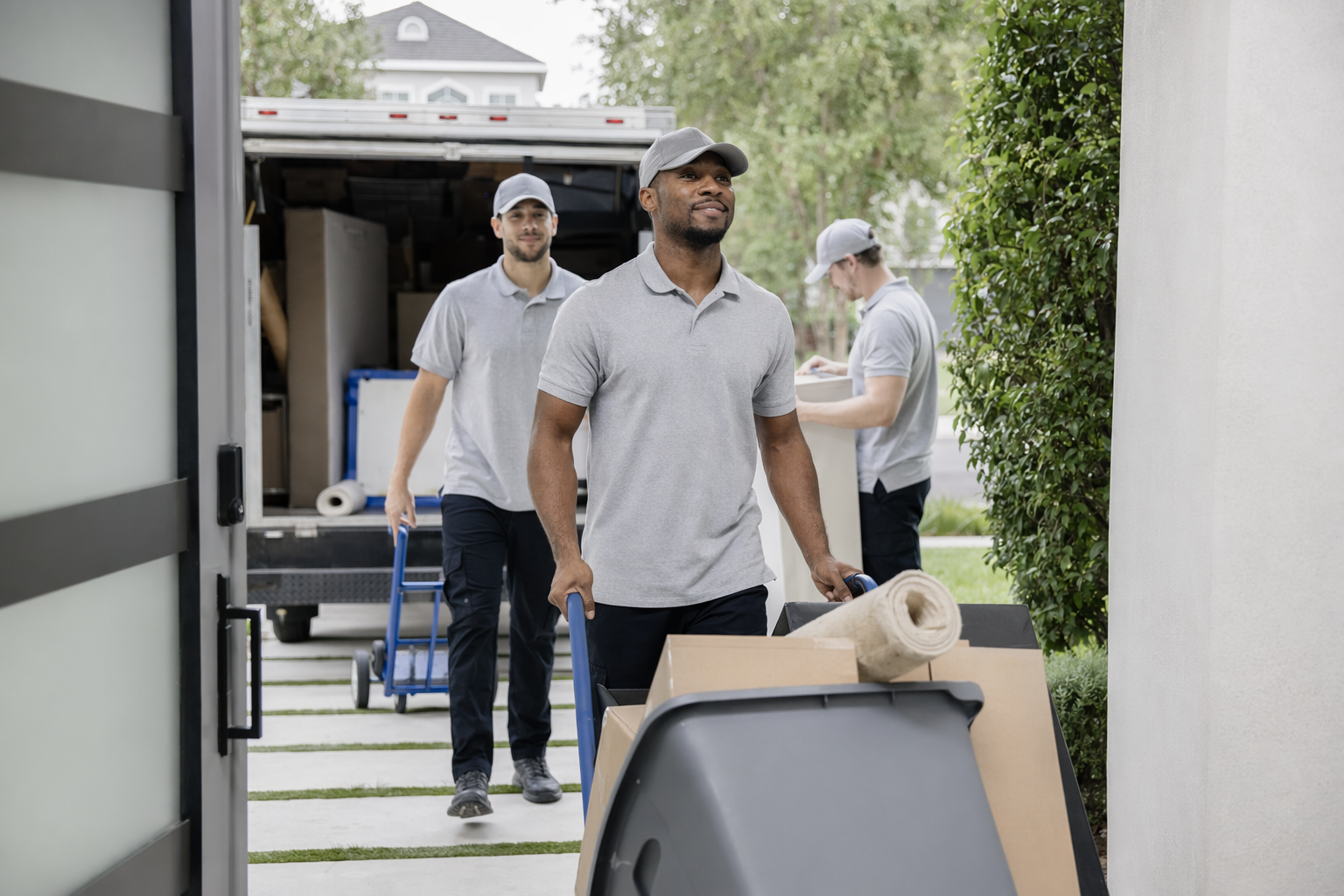
The right cleanup help can make a very hard situation feel more manageable, especially when the person gets privacy, choices, and time.
Common questions
Can a cleanup happen in stages instead of all at once?
Yes, many heavy-clutter jobs are easier in phases. Some households start with a walkway, one room, or removal of obvious trash first. Ask each crew whether they can work visit by visit and give a written estimate for each phase.
Will the crew make the homeowner throw everything away?
A respectful crew should explain the plan, follow the agreed scope, and let the customer decide what stays and what goes. It helps to label areas for keep, donate, trash, and papers to review before work starts.
How much does a hoarding or heavy-clutter cleanup usually cost?
It depends on the amount of material, access to the home, labor time, and how much sorting is needed. Typical ranges might be about $150-$350 for a small pickup, $450-$800 for a full truckload, and $800-$4,000+ for a large cleanout. These are not quotes. Always confirm the exact scope and price in writing.
What should we ask before hiring a crew?
Ask what is included, how they handle sorting, whether they can work in phases, and how disposal fees are charged. Also verify the crew's license and insurance yourself and make sure the final scope and price are in writing before work begins.
What if a family member wants help, but feels ashamed or scared?
Try to keep the conversation calm and practical. Focus on comfort and safety, not blame. Offer choices, start small, and let the person keep control where possible. If the situation connects to grief, anxiety, or another personal struggle, gentle support from a trusted professional may help too.