Guides
Donating and recycling instead of dumping
If you want less waste when clearing out a home, ask about donating and recycling before anything gets loaded. Clearway Match is a free matching service that helps you compare written estimates from local, independent crews, so you can ask how they handle usable items and recyclables.
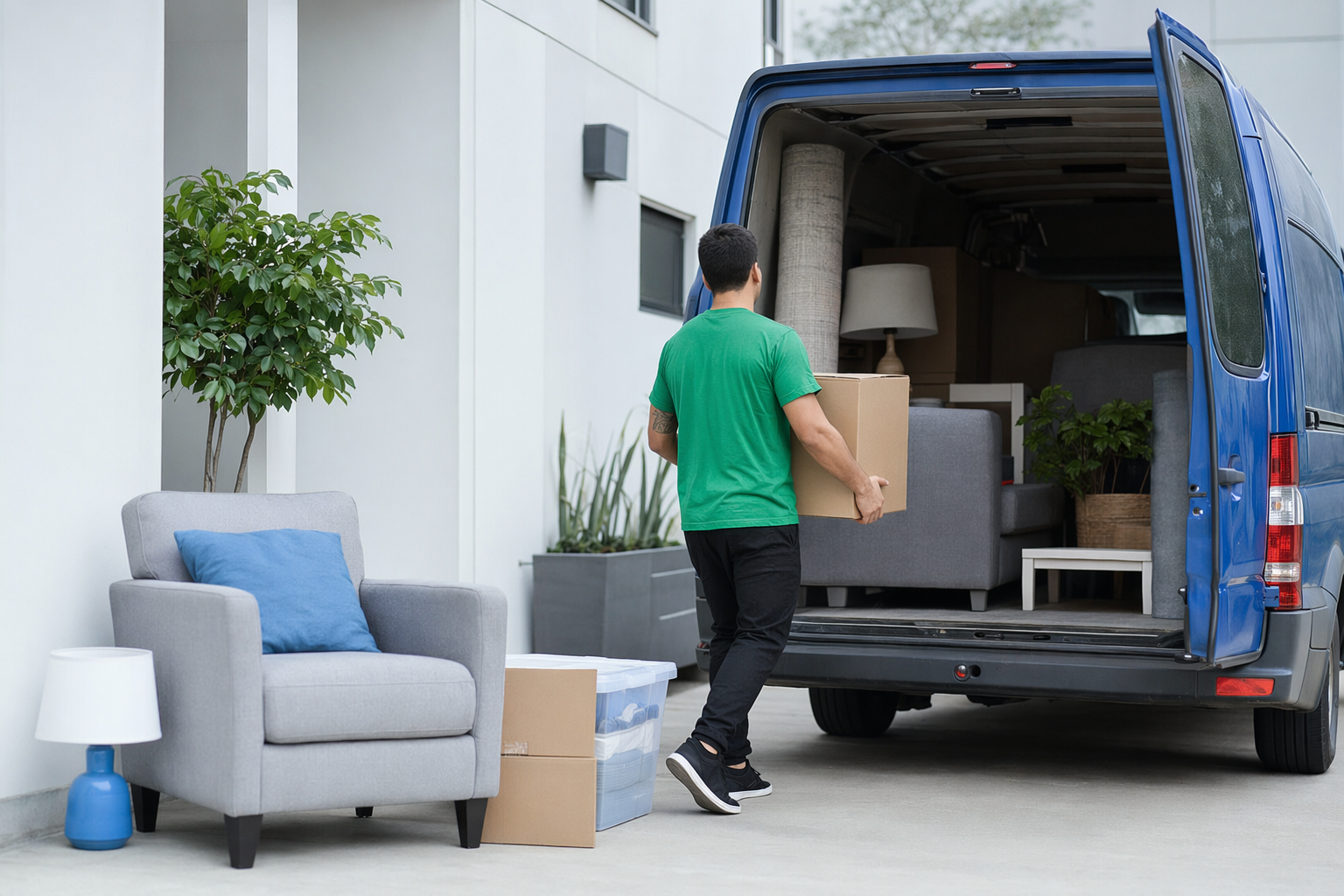
Why donation and recycling matter
A good cleanout plan is not only about getting things gone. It is also about separating what can still be used, what can be recycled, and what truly needs disposal.
Many crews can sort items into a few simple groups:
- Usable items for donation
- Scrap metal and other recyclables
- E-waste, paint, batteries, or other items that may need special handling
- Trash that cannot be donated or recycled
This can help keep furniture, clothing, housewares, and metal out of the landfill when possible. Still, donation and recycling are never guaranteed. Local rules, item condition, contamination, safety issues, and what facilities accept that week all affect what can be diverted.
If you are comparing options, ask each crew to explain their process in writing. You can also review typical pricing on our costs page and see how it works before choosing who to hire.
- Usable does not always mean accepted for donation
- Broken, stained, moldy, or heavily soiled items may need disposal
- Special items like TVs, paint, propane tanks, and chemicals often need separate handling

What crews may be able to donate or recycle
Every crew works a little differently, and every city has different drop-off rules. But these are common examples.
Items that may be donated if clean and in usable condition:
- Sofas, chairs, tables, and dressers
- Clothing, shoes, and coats
- Kitchen items and small household goods
- Books, toys, and decor
- Some working appliances
Items that may be recycled or taken to specialty facilities:
- Metal bed frames, grills, shelving, and scrap metal
- Cardboard and some paper
- Electronics like computers, monitors, and TVs
- Mattresses, depending on local programs
- Yard debris, wood, or construction materials in some areas
Items that often need special disposal and should be mentioned up front:
- Paint, solvents, or cleaning chemicals
- Batteries and fluorescent bulbs
- Propane tanks
- Refrigerators or AC units with refrigerants
- Medical sharps or biohazard concerns
For many jobs, the final mix is a combination of donation, recycling, and disposal. Ask crews what they expect to do with each category, and confirm the scope and price in writing before work starts.
- Donation centers may refuse items with pet damage, smoke odor, stains, or missing parts
- Electronics and appliances may carry extra handling fees
- Some recycling options depend on local transfer stations and seasonal programs
How to make donation and recycling easier
A little prep can give you better options and may lower the amount sent to the dump.
Before you book, try these steps:
- Set aside items you know you want to keep
- Separate obvious donations from obvious trash if you can do so safely
- Take clear photos of large items and mixed piles
- Tell crews about stairs, elevators, parking limits, or tight hallways
- Mention special items early, especially electronics, paint, batteries, or appliances
You do not need to sort everything perfectly. Many people hire help because the job is too big, too physical, or too stressful to manage alone. A crew can often handle the lifting and loading, but ask in advance whether sorting for donation and recycling is included in the estimate.
Typical price ranges vary by volume, labor, and item type. A single item may run about $70-$150. A full truckload is often around $450-$800. A larger whole-home cleanout may be $800-$4,000 or more. These are typical ranges, not quotes. Specialty disposal, stairs, long carries, or extra labor can change the price.
- Photos help crews give a more accurate written estimate
- If donation is important to you, say that before you choose a crew
- Keep personal papers, medicines, keys, and sentimental items out of the load area first
How to get matched and compare estimates
Clearway Match does not haul, lift, or clean. We are a free matching service. You tell us a little about the job, and we connect you with local, independent crews so you can compare your options.
When you request a match, share:
- Your contact information
- The job address or service area
- What needs to go
- About how much there is
- Whether donation or recycling is a priority
- Any special items or access issues
Then compare written estimates carefully. Ask each crew:
- What items might be donated
- What items might be recycled
- What will likely be disposed of
- Whether labor, loading, and disposal fees are included
- Whether they are licensed and insured
You can get matched to start, and compare the plan, timing, and price before hiring anyone. Always verify a crew's license and insurance yourself, and confirm scope and price in writing before work begins.
- Clearway Match is free for households
- You choose the crew, if any, after comparing estimates
- Written details help avoid confusion on cleanout day

If you want to donate or recycle as much as possible, say that early, compare written estimates from independent crews, and confirm in writing what can likely be donated, recycled, or disposed of.
Common questions
Can a crew guarantee that my items will be donated instead of dumped?
No. Donation depends on condition, safety, local acceptance rules, and available drop-off options. Ask the crew what they expect can be donated or recycled, but get the plan in writing and understand that final acceptance is up to the receiving facility.
Do crews sort everything for donation and recycling?
Sometimes, but not always. Some crews include basic sorting in the job, while others charge more for added labor or only remove pre-sorted items. Ask exactly what sorting is included in the written estimate.
What items are usually not accepted for donation?
Items with stains, mold, smoke odor, pest issues, broken parts, missing cushions, or heavy wear are often refused. Some donation centers also limit large furniture, mattresses, and older electronics.
Will recycling lower the cost of my cleanout?
It can in some cases, but not always. Recycling may reduce landfill fees for certain materials, especially metal, but sorting, special handling, and extra drop-offs can also add labor. Compare total written estimates rather than assuming recycling will always be cheaper.
What should I tell Clearway Match if donation and recycling matter to me?
Tell us that diversion is a priority, describe the items, share photos if possible, and mention any special materials like electronics, paint, batteries, or appliances. We only need contact and job details so we can match you with local crews to compare.