Guides
Biohazard, e-waste & special-handling items
Some items need more than basic junk pickup. Things like blood or bodily fluids, used needles, old TVs, paint, propane tanks, and some chemicals may need special handling, and Clearway Match is a free service that helps you compare local crews for the job.
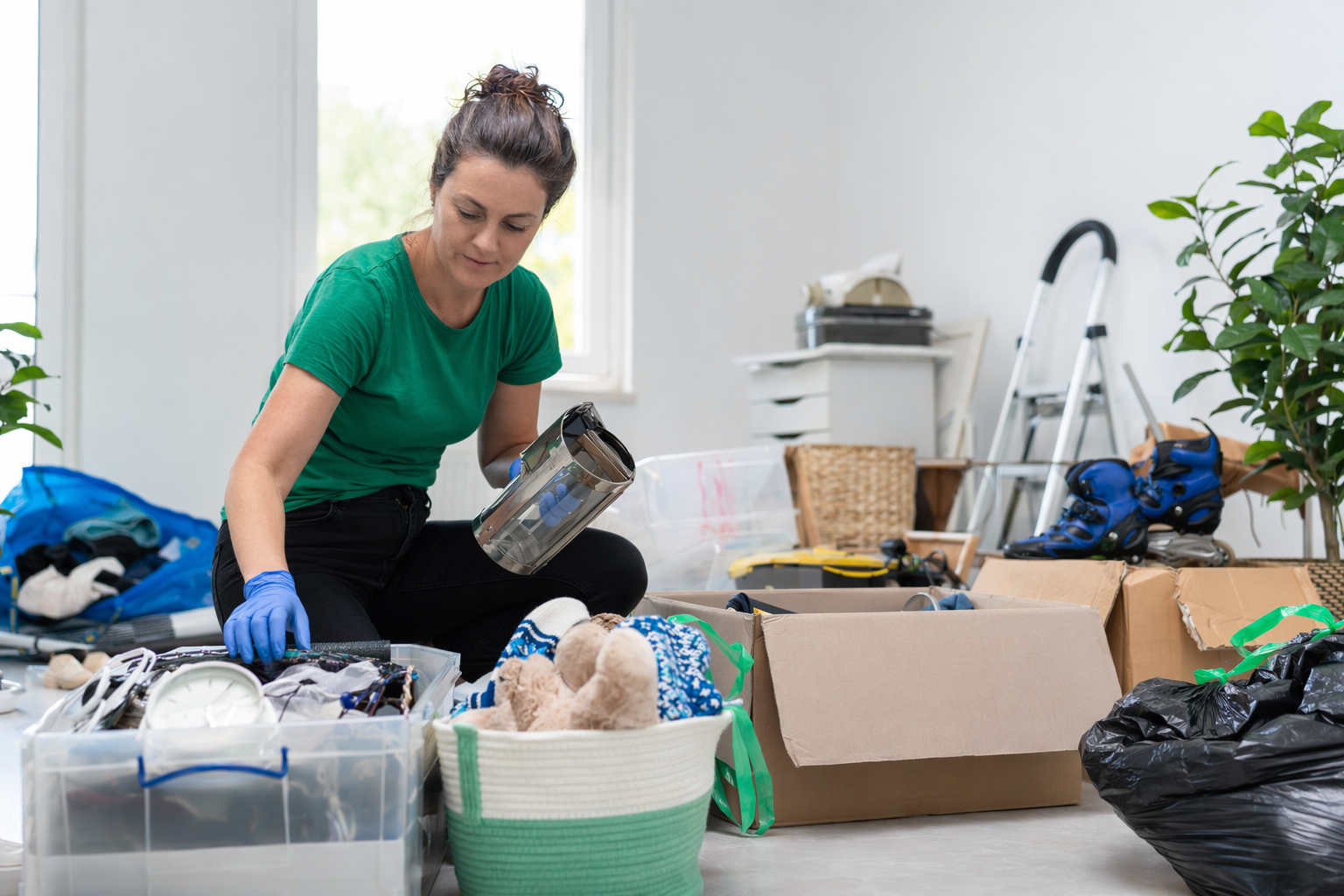
What counts as biohazard, e-waste, or special-handling junk
Not everything can go in the trash or with a standard cleanout crew. Some items may need a crew with special training, permits, or disposal procedures.
Common examples include:
- Biohazard materials, such as blood, bodily fluids, human or animal waste, used sharps, or contaminated items.
- E-waste, such as TVs, computers, printers, monitors, hard drives, routers, and old cell phones.
- Household hazardous items, such as paint, solvents, pesticides, pool chemicals, gasoline, motor oil, and propane tanks.
- Special disposal items, such as refrigerators, freezers, air conditioners, smoke detectors, and batteries.
Rules can vary by city, county, and state. A crew may be able to remove some items but not others. Before any work starts, ask for a written list of what is included, what is excluded, and where items are expected to go.
- Clearway Match does not remove items itself. We connect you with independent local crews so you can compare written estimates.
- If a job may involve blood, needles, waste, or other contaminated material, say that clearly when you ask to [get matched](/get-matched/).

Key points to know before you hire anyone
Special-handling jobs often cost more than regular junk removal because they can involve protective gear, extra labor, disposal fees, and strict rules.
Typical ranges, not quotes:
- Single electronic item pickup may run about $70-$150.
- Small e-waste loads may run about $150-$400.
- Appliance removal may run about $75-$200 per item, sometimes more if refrigerants or special recycling rules apply.
- Biohazard cleanup or contaminated-item removal can vary widely based on the area affected, the materials involved, and local disposal rules.
Price depends on volume, weight, travel time, stairs, access, urgency, and whether the crew is handling regulated or contaminated material. Always confirm scope and total price in writing before work begins.
You should also verify the crew's license and insurance yourself. If the job involves regulated waste or contamination, ask what training or disposal process they use and whether they subcontract any part of the work. You can also review general costs and compare with the written estimate you receive.
- Do not put sharps, chemicals, or leaking containers into regular trash bags for a crew to sort later.
- If privacy matters, ask whether the crew can arrive in an unmarked vehicle or use discreet scheduling.
What to do with special items safely
If you are not sure an item is safe for standard pickup, pause and ask first. A few simple steps can prevent extra fees, delays, and safety problems.
- Keep people and pets away from anything sharp, leaking, broken, or contaminated.
- Do not sweep, vacuum, or handle suspected biohazard material without proper protection.
- For computers and phones, remove personal data if you can do so safely. If not, ask whether the crew offers recycling only or can direct you to data-destruction options.
- Keep paint, chemicals, batteries, and propane tanks separate from general junk.
- Take clear photos and make a list of the items you want removed.
If this cleanup is tied to a difficult family situation, heavy clutter, or a private home condition, you can ask for help in a respectful, discreet way. Clearway Match can connect you with crews familiar with sensitive cleanouts, including hoarding cleanup situations, while respecting the person's pace and privacy.
- Do not share financial account numbers, Social Security numbers, or other sensitive records when asking for help.
- Only share contact details and basic job details, plus photos if you want more accurate estimates.
How Clearway Match helps you compare the right crews
We are a free matching service. Tell us what you need removed, where the job is, and whether any items may need certified or special handling. We then help connect you with local independent crews so you can compare options.
A good request includes:
- Your contact info and the job address.
- A short item list, such as 2 TVs, 1 fridge, 8 paint cans, or possible needle disposal.
- Photos, if available.
- Access details, such as stairs, elevator, curbside, garage, or backyard.
- Your timing, such as this week or just gathering estimates.
Once matched, compare each written estimate carefully. Check what is included, what is not, whether labor and disposal fees are listed, and whether the crew says it is equipped for the materials involved. You can start with how it works or get matched when you are ready.
- Ask each crew if they personally handle the special items or if they refer that part to another provider.
- If a crew seems vague about disposal, keep comparing before you choose who to hire.

Some junk needs special handling, so it is smart to describe the items clearly, compare written estimates, and verify the crew's license, insurance, and disposal process before hiring.
Common questions
Can a regular junk removal crew take paint, chemicals, or propane tanks?
Sometimes, but not always. Many standard crews will not take certain hazardous items, or they may only take them under limited conditions. Rules vary by area. Ask for a written list of accepted items before booking, and confirm any added disposal fees in writing.
What should I do if there are needles, blood, or bodily fluids on site?
Tell the crew up front and avoid handling the material yourself. Jobs involving possible biohazard material may need special training, protective gear, and disposal procedures. Keep people and pets away from the area until you have confirmed the right help.
Will a crew wipe my computer data before recycling it?
Not always. Some crews only remove and transport electronics. If data security matters, ask specifically what happens to hard drives and devices, and get that answer in writing. If needed, ask whether they can point you to a separate data-destruction service.
How much does e-waste or special-item pickup usually cost?
It depends on the items, the quantity, and local disposal rules. A single electronic item may be about $70-$150, while a small e-waste load may be about $150-$400. Appliances often run about $75-$200 per item. These are typical ranges, not quotes. Always confirm the exact scope and price in writing before work starts.
Can Clearway Match send someone today?
We cannot promise same-day availability. Clearway Match is a free matching service, not a cleanup company. We help connect you with independent local crews, and availability depends on the providers in your area. If your need is urgent, say that when you request a match.